The New York Stock Exchange Moves to Fully Build Out a Tokenized Securities Ecosystem
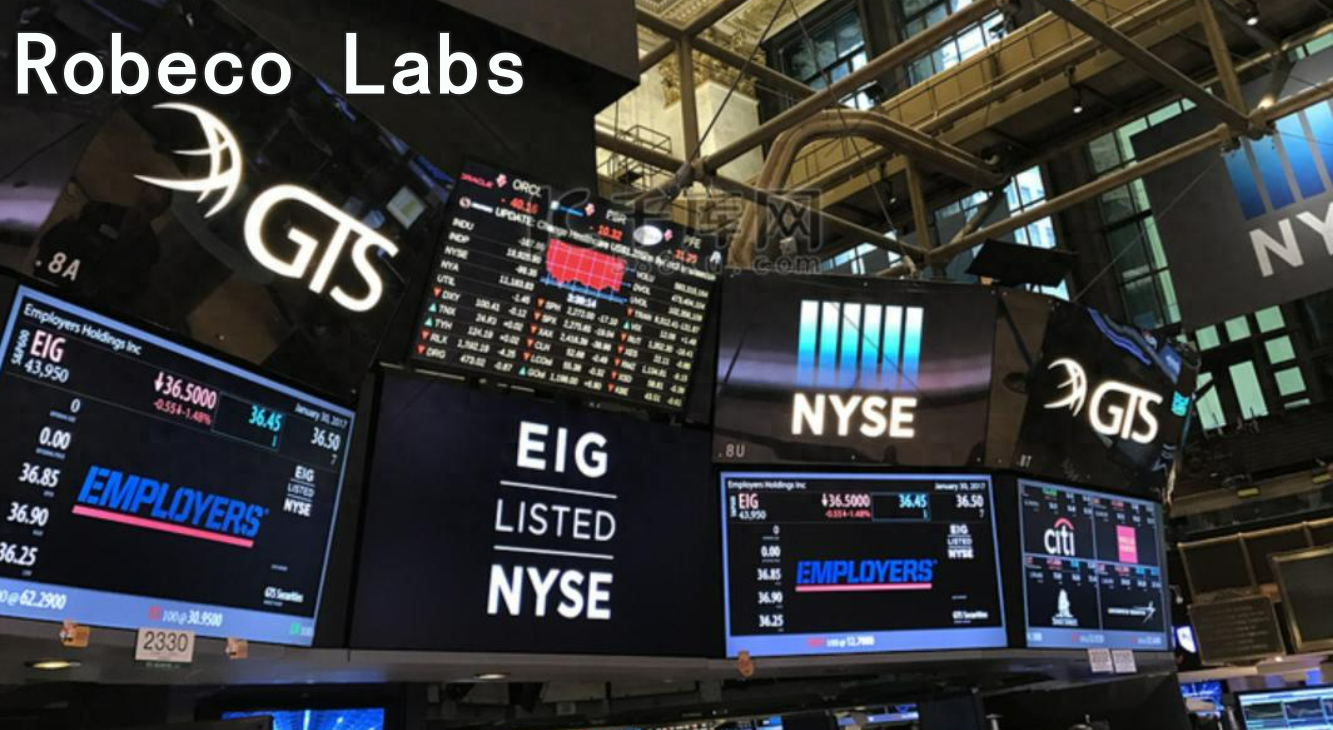
On January 19, 2026, the NYSE announced that its parent company, ICE, is developing a digital platform dedicated to tokenized securities trading and on-chain settlement — the most concrete step yet by traditional market infrastructure toward the digital asset ecosystem.
On January 19, 2026, a piece of news emerging from the heart of Wall Street sent a wave of shock across global finance and technology sectors. The New York Stock Exchange (NYSE) announced that its parent company, Intercontinental Exchange (ICE), is developing a new digital platform dedicated to tokenized securities trading and on-chain settlement, and has already begun seeking approval from U.S. regulators.
According to detailed information released by the NYSE, this planned platform is designed to fundamentally reshape the traditional securities trading experience. It promises continuous trading capability 24 hours a day, seven days a week, enabling near-instant settlement after execution. Investors will be able to place orders in specific dollar amounts, while stablecoins will be supported for seamless fund transfers.
At its technical core, the platform integrates the NYSE's existing high-performance Pillar matching engine with a new blockchain-based post-trade settlement system, and is designed to support settlement and custody across multiple blockchains. The broader vision is to establish a new, regulated trading venue that not only allows existing listed equities to be converted into equivalent tokenized versions for trading, but also enables companies to issue native digital securities directly on-chain. Importantly, holders of these tokenized securities will be guaranteed the same core rights as traditional shareholders, including dividends and voting rights.
Bloomberg commented that this marks a shift in mainstream finance from theoretical discussions of asset tokenization to the "early stages of real infrastructure deployment." The platform is only the tip of the iceberg of ICE Group's broader digital strategy. This strategy also includes upgrading its clearing infrastructure to support 24/7 trading, as well as exploring the use of tokenized assets as collateral.
To this end, ICE is working with top-tier financial institutions such as Bank of New York Mellon and Citigroup to study the integration of tokenized deposits into its clearing system, aiming to address challenges in global liquidity coordination and margin settlement across different time zones.
The New York Stock Exchange, founded in 1792 and widely regarded as a symbol of global capitalism, carries significant signaling power with any major strategic shift. Its entry into tokenized securities raises a fundamental question: is this the opening of a compliant gateway for the large-scale digitization of real-world assets, or simply another carefully contained experiment?
The NYSE's Four Major Strategic Initiatives
To understand the significance of the NYSE's move, it should not be viewed as a simple technological experiment, but rather as a systematic strategic positioning. This strategy is built around four clear and mutually reinforcing pillars.
Unlike the "move fast and break things" ethos often seen in crypto-native projects, the NYSE explicitly places regulatory approval at the core of its initiative. Its teams have already engaged in early-stage discussions with the SEC and other regulators. The goal is not to build outside the existing legal framework, but to secure a legitimate regulatory identity — potentially as a regulated Alternative Trading System (ATS). This proactive approach serves as a foundation for attracting trust from mainstream financial institutions and large corporate issuers.
The combination of the NYSE's Pillar matching engine with a blockchain-based post-trade system reflects a "hybrid architecture" mindset. Order matching would likely remain within a centralized system to ensure speed, efficiency, and scalability, while post-trade processes — such as ownership registration and settlement — would be handled automatically and transparently on blockchain networks. This structure maintains the performance of traditional markets on the front end, while leveraging blockchain's efficiency on the back end.
The platform promises that tokenized shareholders will enjoy the same dividend rights and governance rights as traditional shareholders. This is not a marketing slogan, but a foundational legal requirement. It ensures that digital tokens are not vague representations of value, but financial instruments backed by fully enforceable legal rights — typically requiring special purpose vehicles (SPVs) to bind ownership of underlying real-world assets to on-chain token ownership.
The platform plans to provide "non-discriminatory access to all qualified broker-dealers." The NYSE is not building an exclusive, closed club, but positioning itself as a bridge between the vast traditional financial system and the emerging digital asset ecosystem. By offering familiar interfaces, it activates the distribution power of the entire traditional financial network — significantly more efficient than building an entirely new investor base from scratch.
Who Will Be Disrupted, and Who Will Be Propelled Forward?
The NYSE's decisive entry is like placing a strategic piece on a financial chessboard. The ripple effects will redraw the competitive map of industry participants.
Companies Seeking Fundraising and Public Listing
Instant settlement (T+0) can significantly reduce capital lock-up and counterparty risk. The ability to trade 24/7 enables a company's shares to access global capital markets seamlessly. Blockchain-based shareholder registries and automated dividend distribution have the potential to substantially reduce operational costs. For startups or companies seeking follow-on financing, native issuance of digital securities could offer a more flexible and globally accessible alternative to traditional IPOs.
Cryptocurrency Exchanges and Decentralized Protocols
In the short term, pressure is clear. A tokenized securities platform backed by the NYSE's brand and operating fully within a regulated framework will have strong appeal for institutional capital. However, from a longer-term perspective, the NYSE's move effectively acts as "credit enhancement" for the entire asset tokenization sector, accelerating regulatory clarity and market maturation. Crypto-native platforms are well positioned to evolve into specialized service providers, liquidity hubs, or technical partners within this emerging framework.
RWA-Native Protocols and Projects
For rapidly growing RWA-native protocols, the NYSE's entry is both a validation and a challenge. The participation of a top-tier institution provides the strongest endorsement of the RWA sector's long-term potential. On the other hand, a NYSE-backed platform may directly attract the highest-quality, most mainstream underlying assets. This forces native protocols to reassess their strategic positioning — should they focus on niche and non-standard assets, or actively pursue collaboration with platforms like the NYSE?
Custody and Clearing Banks
For institutions like Bank of New York Mellon and Citigroup, their roles in this collaboration reveal a broader evolution. Traditionally functioning as "static safekeeping vaults," they are expected to evolve into "dynamic gateways" connecting legacy account systems with blockchain-based value networks. Their role is shifting from passive custodians to active providers of digital asset services. The success of this transition will directly determine their strategic relevance in the future digital financial ecosystem.